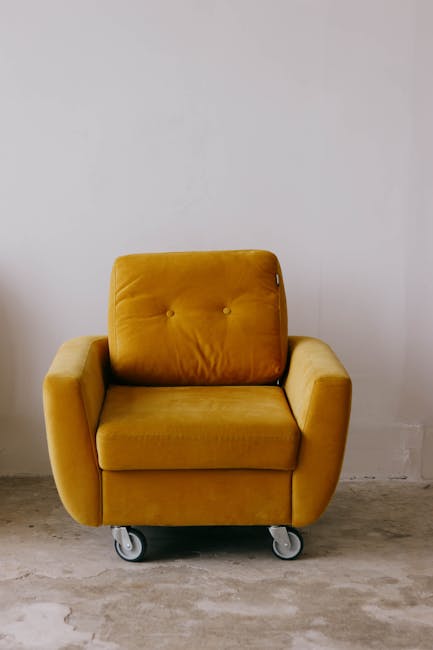
What to know about cleaning upholstery at home versus hiring pros
Spilt tea on the armchair? Mud from a dog's paws? A sofa that looks fine until the afternoon light hits it just right? Upholstery has a habit of quietly collecting the evidence of everyday life. And that is exactly why people start weighing up what to know about cleaning upholstery at home versus hiring pros. The answer is not simply "DIY is cheaper" or "professionals are better". It depends on the fabric, the stain, the age of the furniture, and how much risk you are willing to take. In this guide, we'll walk through the practical differences, the real-world trade-offs, and the situations where a little caution saves you from a very annoying mistake later.
There's a reason this decision matters. Upholstery is not like a worktop or a bathroom tile. It absorbs liquid, holds odours, traps dust, and can be damaged by the wrong cleaner in minutes. Let's face it, no one wants a patchy sofa that smells faintly of detergent for three weeks.
If you want broader help keeping your home in good shape, you may also find Dexter Carpet Cleaning's deep cleaning and domestic cleaning services useful as part of a wider maintenance plan.
Table of Contents
- Why this decision matters
- How home cleaning and professional cleaning work
- Key benefits and practical advantages
- Who this is for and when it makes sense
- Step-by-step guidance
- Expert tips for better results
- Common mistakes to avoid
- Tools, resources and recommendations
- Law, compliance, standards and best practice
- Options, methods and comparison table
- Case study or real-world example
- Practical checklist
- Conclusion
- Frequently asked questions
Why What to know about cleaning upholstery at home versus hiring pros Matters
Upholstery cleaning sounds simple until you actually do it. A sofa can be made from synthetic fabric, natural fibres, suede-like microfibre, velvet, linen blends, or a mixture of materials with different cleaning needs. One cushion may tolerate a gentle water-based cleaner; another may shrink, pill, or mark if you treat it the same way. That is why choosing between home cleaning and professional cleaning is worth thinking through properly.
From an everyday perspective, the stakes are practical. Clean upholstery looks better, smells fresher, and lasts longer. It can also make a room feel noticeably lighter. You may not notice the dust, skin oils, crumbs, and pet hair building up week by week, but the difference after a proper clean is usually obvious. Sometimes almost comically so. The sofa you thought was beige suddenly reveals it has been a different shade entirely.
There is also the issue of hidden damage. Harsh scrubbing can flatten fibres. Too much moisture can leave a sofa damp in the filling for hours, or even days, which creates a musty smell. Strong products can bleach colours or leave a sticky residue that attracts dirt faster than before. In our experience, the "quick fix" is often the part that causes the longest headache.
Hiring pros matters because they bring knowledge of fabric codes, stain types, drying methods, and extraction equipment. Home cleaning matters because it is immediate, inexpensive, and useful for light refreshes. The trick is knowing where one ends and the other begins.
For many households, upholstery care sits alongside other periodic jobs such as professional carpet cleaning or even a broader one-off clean when the whole house needs a reset after a busy season.
How What to know about cleaning upholstery at home versus hiring pros Works
At home, upholstery cleaning usually means three stages: remove loose dirt, treat marks carefully, then refresh the surface without over-wetting it. That can be done with a vacuum, a soft brush, an upholstery attachment, mild soap, an approved fabric cleaner, or a spot-cleaning solution. The key is restraint. Upholstery rewards patience more than enthusiasm.
Professional upholstery cleaning follows the same broad logic, but with better tools and a more systematic process. A cleaner will usually inspect the fabric, identify the cleaning code if visible, test a small area, pre-treat stains, and then use an extraction or low-moisture method suited to the item. Depending on the material, they may use hot water extraction, specialist foam, dry cleaning techniques, or controlled agitation with rapid drying.
The important difference is not just equipment. It is judgement. A pro can often tell, quite quickly, whether the mark is soil, grease, dye transfer, drink residue, body oils, or a combination of all four. That matters because the wrong approach can set the stain, not lift it.
Here is the basic home-versus-pro rhythm:
- Home cleaning is best for routine maintenance, fresh spills caught early, and light surface dirt.
- Professional cleaning is better for deep-set grime, delicate fabrics, older furniture, stubborn odours, and high-value pieces.
- Hybrid care often works best: regular home upkeep plus occasional expert cleaning.
If your furniture is part of a larger clean-up project, it may also fit alongside rug cleaning or hard floor cleaning so the room feels genuinely refreshed rather than half-done.
Key Benefits and Practical Advantages
Both approaches have real advantages, and the "best" one depends on what you need most: convenience, control, safety, depth of clean, or long-term value.
Benefits of cleaning upholstery at home
- Lower immediate cost - You can tackle small marks without booking anyone.
- Fast response - A fresh spill can be dealt with straight away, which often improves the outcome.
- Convenience - You work around your own schedule.
- Regular upkeep - Vacuuming and light spot treatment can prevent build-up.
Benefits of hiring professionals
- Deeper cleaning - Better removal of embedded dirt, oils, and lingering smells.
- Reduced risk - Less chance of shrinking, watermarking, or colour loss.
- Fabric-specific methods - Useful for delicate or mixed-material upholstery.
- More consistent results - Particularly important before guests arrive, after pets, or when moving out.
There is a subtle but valuable benefit that people often miss: professional cleaning can help you spot whether a sofa is simply dirty or actually wearing out. Sometimes what looks like a stain is fibre abrasion, and that distinction changes what you do next. Better to know, truth be told, than keep polishing a problem that is already structural.
For landlords, tenants, or anyone preparing a property handover, a sofa clean may also be part of a wider end of tenancy cleaning plan. In those situations, expectations are usually about appearance, freshness, and avoiding avoidable damage.
Who This Is For and When It Makes Sense
This topic is for anyone with upholstered furniture in a real home, which is to say almost everyone. But the decision matters more in some situations than others.
Home cleaning usually makes sense if you:
- have light surface dirt or dust
- need to clean a small fresh spill quickly
- own relatively inexpensive or easy-care furniture
- like to stay on top of maintenance yourself
- already know the fabric is durable and moisture-tolerant
Hiring pros usually makes sense if you:
- have a large sofa, corner unit, or multiple chairs to clean
- are dealing with old stains or pet odours
- have delicate upholstery such as velvet, silk blends, or natural fibres
- need better drying control
- want a visibly deeper clean before a move, event, or seasonal reset
It also makes sense to call a pro if you simply do not want to gamble. That is a perfectly sensible reason. There's no medal for trying to wrestle a bottle of stain remover and a hand brush into submission at 10pm on a Tuesday.
If you are managing a home with regular wear and tear, pairing upholstery care with office cleaning or oven cleaning on a recurring schedule may not sound glamorous, but it keeps the whole property feeling more manageable.
Step-by-Step Guidance
Whether you clean at home or prepare for a professional visit, a sensible process helps protect the fabric and improve results. Here is the approach that tends to work best.
1. Check the care label first
Look for cleaning codes or fabric instructions under the cushions or on the frame. If the label says water-based cleaning is not suitable, do not ignore that in the hope of a miracle. Upholstery is not the place to freestyle.
2. Vacuum thoroughly
Use a soft upholstery attachment and remove crumbs, dust, hair, and loose grit. This prevents dirt from turning into slurry once moisture is added. Get into the seams and folds, because that is where the interesting stuff hides.
3. Test any cleaner in a hidden spot
Try the product on a low-visibility area first. Wait for it to dry. Check for colour change, texture change, or residue. This small step can save a very expensive mistake.
4. Blot, don't scrub
For fresh spills, blot with a clean white cloth. Press gently and work from the outside of the stain inward. Scrubbing spreads the mark and can rough up the fibres.
5. Use minimal moisture
Too much water is a common cause of rings, smells, and slow drying. Apply cleaner sparingly and remove as much as possible afterwards. If you can hear the fabric squelching, that is already too much.
6. Dry properly
Airflow matters. Open windows if weather allows, use fans if needed, and keep cushions spaced out. Avoid sitting on the furniture until it is fully dry. Yes, even if it looks "almost done".
7. Reassess after drying
Sometimes a stain lightens as it dries; sometimes residue appears only later. If the result is uneven, stop and think before adding another product. This is often the moment where a professional assessment becomes worthwhile.
If the upholstery is part of a larger project after decorating or renovation, combining it with after builders cleaning can stop fine dust from undoing your efforts almost immediately.
Expert Tips for Better Results
A few practical habits make a big difference, and most of them are simple. The trick is consistency, not heroics.
- Vacuum weekly if the sofa gets heavy use. More often if you have pets.
- Rotate cushions so wear and fading stay even.
- Act quickly on spills, but do not panic-clean them with the first product you find.
- Use white cloths for blotting. Coloured cloths can transfer dye.
- Avoid overloading one spot with cleaner. Build gradually.
- Keep a record of fabrics and products you have used, especially on expensive items.
One useful professional habit is to clean in stages: dry soil removal first, targeted treatment second, overall refresh third. That sequence matters more than people realise. If you go straight to wet cleaning, you can lock dirt deeper into the pile.
Another tip: if the room has poor ventilation, think about timing. A rainy Saturday in a shut-up house can slow drying for hours. On the other hand, a breezy morning with a bit of airflow? Much better. It's the little things.
If you want a broader spring-clean effect without spending your whole weekend on the sofa alone, a wider service such as one-off cleaning can help reset the room in one go.
Common Mistakes to Avoid
Most upholstery damage from home cleaning is not caused by dramatic accidents. It comes from small, repeated overconfidence. Annoying, but true.
- Using too much water - This is the classic. It leads to rings, odours, and slow drying.
- Skipping a patch test - A cleaner that looks harmless can still fade or stiffen fabric.
- Scrubbing aggressively - That usually spreads the stain and roughens the pile.
- Mixing products - This can leave residue or cause unexpected chemical reactions.
- Ignoring the fibre type - Velvet, suede-effect fabrics, and natural fibres need more care.
- Cleaning only the stain, not the surrounding area - This can leave a visible "clean patch".
- Putting cushions back too soon - Damp foam or batting is a recipe for musty smells.
There is also the temptation to keep adding product until the stain disappears. Sometimes that works. Often it just makes the fabric wetter, duller, and more irritated-looking. If you've ever stood back from a sofa and thought, "well, that was not the plan", you're not alone.
Tools, Resources and Recommendations
You do not need a van full of kit to care for upholstery at home, but you do need the right basics.
Useful home tools
- vacuum cleaner with upholstery attachment
- soft brush or lint brush
- microfibre cloths and white cotton cloths
- spray bottle for very light application only
- mild upholstery cleaner approved for the fabric type
- fan or dehumidifier for faster drying where appropriate
What professionals typically bring
- inspection tools and fabric knowledge
- specialist pretreatment products
- hot water extraction or low-moisture systems
- controlled drying methods
- experience with difficult stains and odours
If you are comparing service options across your home, it can help to look at upholstery as part of a larger maintenance picture. For example, furniture, rugs, and floors often need attention together, which is why people sometimes bundle jobs such as rug cleaning, carpet cleaning, and window cleaning to make the whole room feel sorted rather than half improved.
For customers who want to understand service scope or discuss a quote, the pricing and quotes page is a useful place to start. And if you are checking trust signals before booking, it is worth reading about the company's insurance and safety approach and about us information.
Law, Compliance, Standards, or Best Practice
For typical domestic upholstery cleaning, there usually is not a special legal hurdle in the way people imagine. But there are still sensible standards and obligations to keep in mind, especially when hiring a cleaner in the UK.
At home, the main best practice is simple: follow the manufacturer's care instructions, use products as directed, and avoid damaging the item. If a sofa has a care label, treat it as the first authority. If there is no label, be more conservative, not less.
For professionals, expectations are broader. Reputable cleaning businesses should work carefully, use appropriate equipment, and be clear about what they can and cannot safely clean. Insurance, method choice, and safety procedures matter, especially when dealing with moisture, electrical equipment, or valuable furniture. That is not bureaucratic fluff; it is what separates a careful service from a hopeful one.
In real-world terms, best practice also means clear communication about the outcome. A deep clean improves appearance and hygiene, but it cannot always erase permanent staining, worn fibres, dye transfer, or sun fade. Honest expectations are part of good service. They save everybody time.
If sustainability matters to you, it may also be worth looking at the company's recycling and sustainability approach. And for peace of mind on site procedures, health and safety policy information is helpful too.
Options, Methods, or Comparison Table
Here is a straightforward comparison of the two approaches.
| Factor | Cleaning at home | Hiring professionals |
|---|---|---|
| Cost | Usually lower upfront | Higher upfront, but may prevent costly mistakes |
| Speed | Immediate for small spills | Scheduled, but more thorough |
| Risk of damage | Higher if fabric type is unknown | Lower when the cleaner chooses the right method |
| Depth of clean | Light refresh and spot treatment | Better for embedded dirt and odours |
| Best for | Routine maintenance, minor marks | Delicate fabrics, large items, stubborn stains |
| Drying control | Depends on your setup and airflow | Usually better managed |
The best choice is not always either/or. Plenty of households do most of the light maintenance themselves and book a pro when the upholstery needs a proper reset. That balanced approach is often the most sensible, and frankly the least stressful.
Case Study or Real-World Example
Picture a typical family living room in the middle of winter. Two children, one dog, a grey fabric sofa, and a few weeks of muddy shoes at the door because the weather has been, well, British. The sofa looks a bit dull but not disastrous. There are faint drink marks on one cushion, and the armrests have picked up a slightly darker sheen from everyday use.
In that situation, a home clean might handle the surface dust and a fresh minor mark. Vacuuming, careful blotting, and a gentle fabric-safe cleaner can improve the look quickly. But if the sofa still has an odour, if the darker areas remain after drying, or if the fabric is delicate, the DIY approach may only partially solve the problem.
Now imagine the same sofa after several years. The cushions feel flattened, the family has tried a few different cleaners, and one area has a faint water ring from an old spill. That is where a professional clean usually becomes more worthwhile. A trained cleaner can assess whether the fabric can be safely extracted, whether a low-moisture method is better, and whether some marks are permanent rather than removable.
That distinction is the heart of the decision. Home cleaning is great for maintenance. Professional cleaning is better when you need correction.
Practical Checklist
Use this quick checklist before you decide how to clean the upholstery.
- Check the care label or cleaning code.
- Identify the fabric type if possible.
- Assess whether the problem is dust, a fresh spill, odour, or deep soiling.
- Test any cleaner in a hidden area.
- Confirm whether the item can handle moisture.
- Think about drying time and ventilation.
- Decide whether the furniture is valuable, delicate, or sentimental.
- Consider whether stains have already been treated badly before.
- Be honest about your own confidence level. That matters more than people admit.
- Book a pro if the item is expensive, fragile, or still not improving after gentle cleaning.
If you are clearing space before furniture moves, redecorating, or a seasonal reset, pairing this with house clearance or a wider deep cleaning visit can make the whole process smoother.
Conclusion
The main thing to know about cleaning upholstery at home versus hiring pros is that each has its place. Home cleaning is ideal for small, regular jobs and quick action on fresh spills. Professional cleaning becomes the better choice when the fabric is delicate, the stain is stubborn, the odour is embedded, or you want a deeper finish with less risk.
Most people get the best results with a mix of both: sensible at-home maintenance, then professional support when the furniture starts to need more than a wipe-over. That way, you protect the fabric, extend the life of the item, and avoid the slightly grim experience of making a mess worse in the name of saving money. Happens more than you'd think.
Get a free quote today and see how much you can save.
And if you are comparing options right now, take your time, trust the fabric, and choose the path that leaves your home feeling calm again. That peace of mind is worth a lot.
Frequently Asked Questions
Can I clean upholstery at home safely?
Yes, if you start with the care label, use a gentle method, and keep moisture under control. Home cleaning is safest for light maintenance, small spills, and durable fabrics. If the fabric is delicate or the stain is old, a professional is usually the safer choice.
How do I know if my sofa needs professional cleaning?
If the furniture has deep-set dirt, odours, repeated stains, or a fabric you are unsure about, professional cleaning is a better fit. It is also a sensible option if you have already tried gentle cleaning and the result still looks patchy.
What is the biggest risk of DIY upholstery cleaning?
The biggest risk is using too much water or the wrong product. That can cause rings, fading, residue, shrinkage, or a lingering musty smell. Scrubbing too hard is another common problem.
How often should upholstery be cleaned?
That depends on use. A family sofa with pets or children may need regular vacuuming and occasional deeper attention, while a lightly used chair may only need periodic care. The more traffic, the more often it needs proper maintenance.
Is professional upholstery cleaning worth it?
Often, yes, especially for expensive, delicate, or heavily used furniture. Professionals can usually achieve a deeper clean with less risk, and that can extend the life of the item. For everyday light upkeep, home cleaning still has a place.
Will professional cleaning remove every stain?
Not always. Some stains are permanent, some fibres are already damaged, and some marks are actually colour loss rather than dirt. A good cleaner should explain what is likely to improve and what may remain visible.
Can I use carpet cleaner on upholstery?
Only if the product is suitable for upholstery and the fabric instructions allow it. Carpet products can be too strong or too wet for some sofas and chairs. Check the label carefully before using anything on furniture.
How long does upholstery take to dry after cleaning?
Drying time varies depending on the fabric, humidity, airflow, and cleaning method. Light cleaning may dry fairly quickly, while deeper wet cleaning can take much longer. Good ventilation helps a lot.
What fabrics should I avoid cleaning at home?
Delicate fabrics such as velvet, silk blends, some natural fibres, and anything with a restrictive cleaning code should be treated cautiously. If you are unsure, do not guess. That is usually where trouble starts.
Do professionals use more than one cleaning method?
Yes, often. A cleaner may combine vacuuming, pre-treatment, stain spotting, controlled extraction, or low-moisture cleaning depending on the material and the problem. The method should suit the fabric, not the other way round.
Is it better to clean upholstery before or after moving house?
Usually before, if the furniture is staying in the property, or after if the item has been moved into a new home and needs a refresh. For moving day stress, upholstery cleaning is often grouped with wider services such as end-of-tenancy or one-off cleaning.
Where can I find more information about a cleaning company's standards?
Look for pages covering company background, safety, insurance, and service details. On Dexter Carpet Cleaning's site, the about us, insurance and safety, and terms and conditions pages are useful places to start.