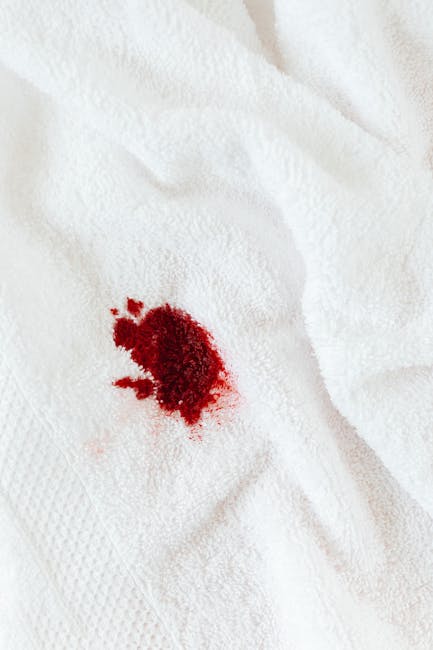
Quick guide to removing red wine stains from carpets safely at home
Red wine on carpet has a way of turning a calm evening into a tiny emergency. One minute you're passing a glass across the sofa; the next, there's a dark splash spreading into the fibres and everyone is suddenly talking at once. The good news? If you act quickly and use the right method, you can often lift a fresh stain safely at home without making it worse. This quick guide to removing red wine stains from carpets safely at home walks you through what to do, what to avoid, and when to stop before you cause more damage than the wine did.
Truth be told, the biggest mistake is usually panic. Scrubbing hard, pouring on random cleaners, or soaking the carpet can push the stain deeper and leave a bigger mark than the original spill. Below you'll find a practical, UK-friendly approach that keeps things simple and sensible. If the spill has soaked through to the underlay, or if your carpet is wool, antique, or visibly delicate, it may be wiser to speak to a specialist such as carpet cleaning support or, for a broader refresh, deep cleaning.
Contents
- Why this matters
- How the stain removal process works
- Key benefits and practical advantages
- Who this is for and when it makes sense
- Step-by-step guidance
- Expert tips for better results
- Common mistakes to avoid
- Tools, resources and recommendations
- Law, compliance, standards, or best practice
- Options, methods, or comparison table
- Case study or real-world example
- Practical checklist
- Conclusion
- Frequently asked questions
Why Quick guide to removing red wine stains from carpets safely at home Matters
Red wine stains are awkward because they do more than mark the surface. The pigment in the wine can bond quickly with carpet fibres, especially on pale or loop-pile carpets where liquid sits in the weave. If you leave it too long, the stain may oxidise and darken, which makes the job much harder later on. That's why speed matters, but so does technique.
There's also a safety angle that people overlook. Some common "home remedies" can discolour synthetic fibres, damage wool, or strip carpet backing. Hydrogen peroxide, bleach, or aggressive stain removers may sound effective, but they can leave a bleach spot, weaken the pile, or create a patch that stands out worse than the wine itself. Not exactly the outcome you want on a Sunday afternoon.
For homes with children, pets, or busy footfall, being able to tackle small spills calmly is genuinely useful. It can save time, reduce stress, and help preserve the life of the carpet. And if the stain happened during a larger household reset, maybe after a move or renovation, it may be worth looking at one-off cleaning or after builders cleaning for the bigger picture rather than fighting one mark at a time.
How Quick guide to removing red wine stains from carpets safely at home Works
The basic idea is simple: remove as much liquid as possible, dilute what remains, then gently lift it out before it settles into the fibres. Red wine contains water, colourants, tannins, and sometimes sugar. The colourants and tannins are what make it cling. So the trick is not brute force; it's controlled absorption and careful rinsing.
Fresh spills are usually easier because the stain is still sitting near the surface. Older stains are trickier because they've had time to bind, dry, and spread outward in a faint halo. That halo is often the telltale sign people miss. You clean the centre and think the job's done, then the ring appears once the carpet dries. Annoying, but common.
Safe home cleaning works best when you use mild solutions, blot rather than rub, and keep moisture under control. If you soak the carpet repeatedly, the wine can travel down into the backing, and then you're dealing with smell, wicking, and a longer drying time. For households that want a deeper fabric-safe clean afterwards, rug cleaning and upholstery cleaning follow the same general principle: low-risk chemistry and careful extraction.
Key Benefits and Practical Advantages
Doing this properly at home gives you a few clear benefits. First, you can respond immediately, which is often the single biggest factor in whether the stain lifts cleanly. Second, you avoid unnecessary chemical exposure. Third, you reduce the chance of spreading the spill into a larger patch.
- Faster results: fresh stains often respond well to simple blotting and mild cleaning.
- Lower risk: gentle methods are less likely to damage fibres or backing.
- Better appearance: careful treatment reduces rings, residue, and colour loss.
- More control: you decide how much moisture and product the carpet sees.
- Cost-effective: you may avoid an unnecessary call-out for a small spill.
There's also a practical household benefit: once you know the routine, you're less likely to overreact. A calm blotting cloth and a little patience can do more than a frantic search under the sink. In our experience, that's half the battle.
If you're already in cleaning mode, maybe because guests are due or you're preparing a room for photos, pairing stain removal with a wider tidy-up can make sense. Services such as domestic cleaning and office cleaning also show how regular upkeep prevents small issues from becoming bigger ones.
Who This Is For and When It Makes Sense
This guide is for anyone dealing with a fresh or lightly set red wine spill on a carpet at home. It's especially useful for renters, busy families, new homeowners, and anyone who wants to act quickly before the stain sets. If you have a wool carpet, a luxury fibre blend, or a very light colour, you'll want to be even more cautious, but the same basic approach still applies.
It also makes sense if you need a first response before booking a professional clean. Not every stain needs immediate external help. Sometimes a careful home treatment is enough to neutralise the spill until you can decide what to do next. That's useful when the stain happens late at night, on a bank holiday, or just as the kettle has boiled and everything is a bit chaotic.
You may want to stop after the first attempt if the stain has already dried for hours, if the carpet starts to lose colour, or if the area smells damp after cleaning. For move-out situations, especially where standards matter, end of tenancy cleaning can be the safer route because carpets are only one part of the final condition check.
Step-by-Step Guidance
Here's the safest practical method for fresh red wine stains. Keep it simple. No heroics.
- Blot immediately. Use a clean white cloth or kitchen roll to absorb as much wine as possible. Press down gently. Do not rub. Rubbing only drives the colour deeper into the pile.
- Add a little cold water. Lightly dampen the stained area to dilute the wine. A small amount is enough. You want to lift, not flood.
- Blot again. Use a fresh cloth and keep working from the outside of the stain towards the centre. This helps prevent spreading.
- Apply a mild cleaning solution. A tiny amount of washing-up liquid mixed with cool water is often a sensible first choice. Dab it on, then blot.
- Rinse carefully. Use a cloth lightly moistened with plain water to remove any soap residue. Residue can attract dirt later, which nobody wants.
- Dry the area. Place a dry towel over the spot and press down, or stand a fan nearby. Good airflow matters more than most people realise.
- Check for a shadow. Once dry, inspect in daylight if possible. A faint stain may still be there, and a second gentle treatment may help.
If the stain is still visible after this, you can repeat the process once more. Keep your approach gradual. A lot of carpet damage happens on the second or third panic attempt, not the first. If the spill was accompanied by crumbs, mud, or other debris, a more general refresh such as carpet cleaning may be the better long-term fix.
A simple home method for fresh spills
For many households, the simplest method is water, blotting, and a small amount of mild detergent. That is usually safer than heavy-duty stain removers, especially on light or mixed-fibre carpets. A white cloth is better than a coloured towel because it lets you see whether more wine is still transferring. If the cloth keeps picking up colour after several passes, the stain is still active.
What to do with an older stain
Older stains need patience. Start by lightly rehydrating the area with cool water so the residue softens. Then blot. If needed, use a very mild cleaning solution. Don't jump straight to strong chemicals. In a fair number of cases, that just creates a faded patch around a still-visible centre spot. A classic carpet-cleaning headache, really.
Expert Tips for Better Results
Small details make a big difference here. If you've ever cleaned a spill and wondered why it looked fine until it dried, you'll know exactly what I mean.
- Work with white cloths: dyed fabrics can transfer colour, especially on damp carpet.
- Use cool water, not hot: heat can help set certain stains and may increase spreading.
- Keep moisture light: too much liquid can push the stain into the underlay.
- Test in a hidden area: even mild solutions can affect delicate fibres or backing.
- Blot in stages: give the carpet a minute between passes so it can release liquid properly.
- Ventilate the room: fresh air and airflow help drying and reduce musty smells.
One useful trick is to use a spoon to lift away any pooled wine before blotting. It sounds almost too simple, but it stops you pushing the liquid around with the cloth. Another is to place a dry towel under pressure for a few minutes rather than dabbing endlessly. Your arm will thank you.
If the same room already has general soil marks or traffic patterns, the stain may stand out more after treatment. That's when a broader refresh, like deep cleaning, may improve the overall finish rather than focusing only on the spill.
Common Mistakes to Avoid
A lot of carpet problems come from good intentions and a bit of impatience. Fair enough. But a few habits are best avoided.
- Scrubbing hard: this frays fibres and spreads the stain.
- Using bleach: it can permanently remove colour from the carpet itself.
- Over-wetting the area: excess water can lead to wicking and odour.
- Using coloured cloths: some dyes transfer when damp.
- Skipping the rinse: leftover soap attracts dirt and creates a sticky patch.
- Drying too slowly: lingering dampness can leave the room smelling musty.
People also make the mistake of assuming one product will work on every carpet. It won't. Wool, nylon, polypropylene, and blended carpets behave differently. If you're not sure what yours is made from, keep the treatment mild and cautious. Better a faint stain than a ruined patch. That sounds obvious, but when the carpet is pale cream and the wine is still wet, common sense sometimes disappears for a minute.
Tools, Resources and Recommendations
You do not need a big kit. In fact, a small, sensible set of items is often best. Keep them close so you're not searching drawers while the stain settles in.
| Item | Why it helps | Best use |
|---|---|---|
| White microfibre cloths or kitchen roll | Absorbs liquid without transferring dye | Blotting fresh spills |
| Cold or cool water | Dilutes wine without helping set the stain | Initial rinse and rehydration |
| Mild washing-up liquid | Helps lift residue gently | Light stain treatment |
| Clean spoon or blunt edge | Lifts pooled liquid | Before blotting |
| Dry towel | Helps pull moisture out of the pile | Drying and finishing |
If you're comparing your options, a basic home method is usually enough for fresh minor spills. A shop-bought carpet cleaner may help, but only if it's suitable for your carpet fibre and used exactly as directed. For more delicate materials, or where the stain has spread widely, professional support may be safer than experimenting.
For related home services and broader cleaning needs, you can also look at one-off cleaning for a single intensive visit or domestic cleaning if the spill happened in the middle of a fuller household clean-up.
Law, Compliance, Standards, or Best Practice
For most homeowners, there is no special legal rule about removing a red wine stain from carpet. The real standard here is best practice: use safe products, follow label instructions, and avoid causing damage or exposing people to unnecessary risk. If you're cleaning in a rented property, it's sensible to keep the carpet in reasonable condition and follow any tenancy terms that apply to cleaning and damage.
From a safety point of view, mild domestic cleaners are generally preferable to strong solvents in a normal home setting. Keep products out of reach of children and pets, ventilate the room, and never mix cleaners unless the label explicitly says it's safe. That includes the well-meaning "let's just try a bit of everything" approach, which, let's face it, has caused more trouble than it solved.
If you're cleaning after building work, or in a property where dust and residues are already present, be extra careful about spreading grit into the carpet. Some people assume red wine and dust are separate issues, but in practice they can combine into a muddy, abrasive mess. In those cases, a service like after builders cleaning can be a practical safeguard.
Options, Methods, or Comparison Table
Different stains and carpet types call for different levels of caution. Here's a simple comparison to help you decide what makes sense.
| Method | Best for | Pros | Risks |
|---|---|---|---|
| Blotting with water | Fresh spills | Very safe, quick, minimal residue | May not fully remove a deeper stain |
| Mild washing-up liquid solution | Light to moderate stains | Gentle and accessible at home | Too much soap can leave residue |
| Shop-bought carpet stain remover | Stains that resist mild treatment | Can be effective if fibre-safe | May discolour or over-wet the carpet |
| Professional carpet cleaning | Set-in stains, delicate carpets, large spills | Better equipment and controlled extraction | Costs more than DIY |
As a rule of thumb, start with the least aggressive method first. That approach gives you the best chance of preserving the carpet's colour and texture. If the stain is on a rug rather than fixed carpet, rug cleaning may be worth considering once you've dealt with the immediate spill.
Case Study or Real-World Example
A very typical situation goes like this: someone spills a small glass of red wine during dinner on a beige living-room carpet. The first reaction is to grab the nearest towel, which is sensible enough, but they then rub in circles and add warm water. By the time they stop, the stain has become a larger, pale-centred patch with a darker ring around the outside.
In a better outcome, the same spill is handled with a spoon to lift off excess wine, a white cloth to blot, a small amount of cool water, and one pass of mild detergent solution. The carpet is then pressed dry and left to air properly. The stain may not vanish entirely on the first try, but the fibres are usually left in much better condition, and the mark is often barely noticeable once dry.
That's the real point. Not perfection at any cost. Just a careful, tidy result that protects the carpet and stops a small mishap from becoming a full replacement job. If the room needs a larger refresh afterwards, especially before a move or guests arriving for the weekend, one-off cleaning can be a sensible next step.
Practical Checklist
Keep this short checklist in mind if red wine hits the carpet again. You may not need all of it, but it helps.
- Blot immediately with a clean white cloth.
- Lift any pooled wine gently with a spoon.
- Use cool water, not hot.
- Work from the outside in.
- Use only a small amount of mild cleaning solution.
- Rinse lightly to remove residue.
- Dry thoroughly with a towel or fan.
- Check again once the area is fully dry.
- Stop if the carpet begins to fade or feel rough.
- Call in help if the stain is old, large, or delicate.
Expert summary: the safest home method is usually the simplest one. Blot, dilute, blot again, and dry well. Keep the chemistry mild and your expectations realistic. If the carpet is valuable or the stain has already spread, a professional clean may save you time and protect the fibres. Sometimes restraint is the clever move.
Get a free quote today and see how much you can save.
Conclusion
Red wine stains look dramatic, but they do not have to become permanent. If you catch the spill quickly, stay calm, and use a gentle method, you give your carpet a very decent chance of recovery. The main things to remember are simple: blot, don't scrub; use cool water; keep moisture low; and test any cleaning product carefully before going further.
For fresh spills, a careful home approach is often enough. For older marks, delicate fibres, or bigger cleanup jobs, a more thorough professional service may be the safer choice. Either way, the aim is the same: protect the carpet, reduce stress, and get the room back to normal without fuss. And honestly, that's a pretty good result for one dropped glass of wine on an ordinary evening.
Frequently Asked Questions
What is the best way to remove a fresh red wine stain from carpet?
Blot the stain immediately with a clean white cloth, add a small amount of cool water, blot again, then use a mild washing-up liquid solution if needed. Finish by rinsing lightly and drying the area well. The key is to move gently and avoid rubbing.
Does salt really help with red wine on carpet?
Salt can absorb some surface liquid on hard or flat materials, but on carpet it is not usually the best choice. It can get trapped in the fibres and leave a gritty residue. Blotting and careful dilution are usually safer and more effective.
Can sparkling water remove a red wine stain?
Some people use sparkling water because the fizz can help loosen the stain slightly, but it is not a magic fix. If you use it, treat it like any other liquid: apply a small amount, blot carefully, and do not flood the carpet.
Will vinegar damage my carpet?
Vinegar is acidic, so it can affect some carpet dyes or fibres if used too often or too strongly. A tiny, diluted amount may help in some cases, but it should be tested first in a hidden area. For many carpets, a milder approach is the safer starting point.
Why does the stain sometimes come back after drying?
That is often called wicking. Moisture from deeper in the carpet moves up as it dries, bringing dissolved wine residue with it. It usually happens when too much liquid was used. To reduce the risk, keep cleaning moisture light and dry the area thoroughly.
Can I use bleach on a red wine stain?
No, bleach is risky on carpet. It can remove the carpet colour itself and leave a permanent pale patch. Even if the wine disappears, the damage from bleach can be worse than the stain. Avoid it.
What if the wine stain is already dry?
Start by lightly rehydrating the area with cool water to soften the residue, then blot gently. After that, use a mild cleaning solution if needed. Older stains are harder to remove, so you may need more than one careful attempt.
Is this method safe for wool carpets?
It can be, if you keep the treatment very gentle and test a hidden area first. Wool is more sensitive than many synthetic fibres, so avoid harsh chemicals and heavy soaking. If the carpet is valuable, professional help is often the safer option.
How long should I wait before deciding the stain is permanent?
It depends on the carpet and how long the spill has been there. A stain that is still visible after two careful treatments may need stronger intervention, but there is no fixed time limit. If the mark remains after drying and rechecking in good light, a professional clean may be worth considering.
Should I hire a professional for a small red wine spill?
Not always. A fresh, small spill can often be handled safely at home. But if the carpet is delicate, the stain is old, or the area has already been over-wet, professional cleaning may prevent further damage and give a better finish.
Can red wine stains be removed from carpets completely?
Sometimes yes, sometimes mostly. It depends on the fibre type, how quickly you treated it, and how deeply the wine penetrated. Fresh spills have the best chance of complete removal, while older stains may leave a faint shadow. The earlier you act, the better.
What should I do if the stain is in a busy area like a hallway?
Treat it as quickly as possible, then keep foot traffic off the area while it dries. If the hallway carpet is already heavily used, a broader clean may help blend the repaired patch with the rest of the surface. A more complete refresh can make a small stain far less noticeable.
Where can I find more information about wider home cleaning options?
You can explore related services such as domestic cleaning, deep cleaning, and carpet cleaning if you need a broader solution beyond one spill. These are useful when the whole room needs attention, not just the stain.