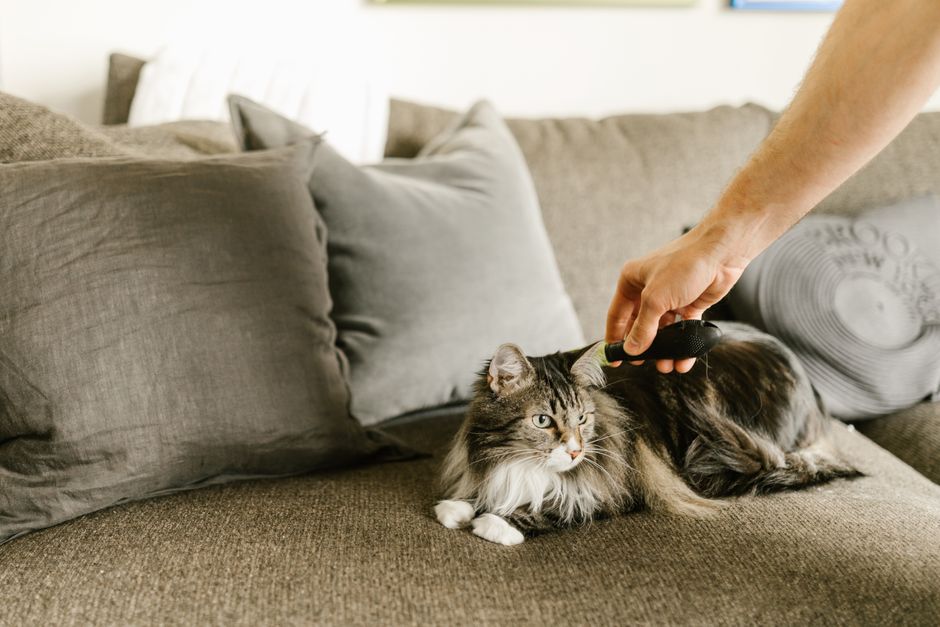
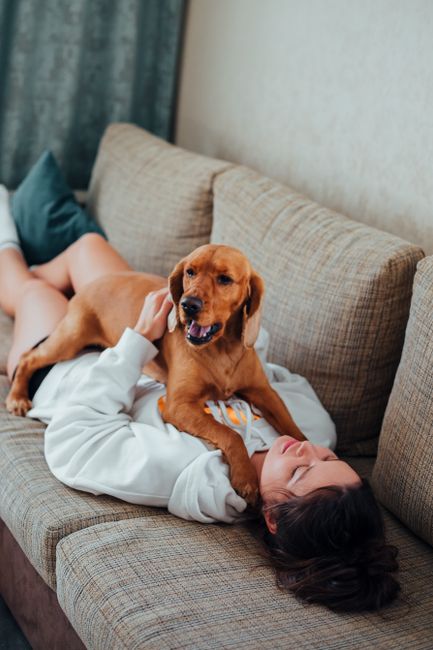
DIY Pet Hair Removal from Sofas Without Expensive Tools
If your sofa seems to collect pet hair the second you sit down with a cuppa, you are not imagining it. Dog fur, cat hair and those fine little fluff strands cling to fabric in stubborn ways, especially on textured upholstery. The good news is that DIY pet hair removal from sofas without expensive tools is absolutely doable with everyday items you probably already have at home. No special gadgets. No fancy attachments. Just a few smart methods, a bit of patience, and the right order of attack.
In this guide, you will learn how to lift hair from fabric and faux suede sofas, what actually works best on different materials, how to avoid pushing fur deeper into the weave, and when a deeper clean makes more sense. We will keep it practical and realistic. Because let's face it, nobody wants to spend half the evening chasing grey fluff around the arm of the sofa.
For households that already stay on top of domestic cleaning, this is one of those small jobs that can make a room feel fresher fast. And if the sofa is part of a bigger refresh, a deep cleaning routine can help reset everything properly.
Table of Contents
- Why DIY pet hair removal from sofas without expensive tools Matters
- How DIY pet hair removal from sofas without expensive tools Works
- Key Benefits and Practical Advantages
- Who This Is For and When It Makes Sense
- Step-by-Step Guidance
- Expert Tips for Better Results
- Common Mistakes to Avoid
- Tools, Resources and Recommendations
- Law, Compliance, Standards, or Best Practice
- Options, Methods, or Comparison Table
- Case Study or Real-World Example
- Practical Checklist
- Conclusion
- Frequently Asked Questions
Why DIY Pet Hair Removal from Sofas Without Expensive Tools Matters
Pet hair on sofas is not just a cosmetic issue. It can make a room feel untidy even when everything else is in decent order. It can cling to clothing, gather in corners, and keep spreading to cushions, throws and nearby rugs. If you have guests coming over, it has a funny way of becoming the only thing you notice. A sofa can look perfectly fine from across the room, then suddenly appear coated once the afternoon light comes in. Classic.
There is also the practical side. Hair can build up in seams and under cushions, where it mixes with crumbs, dust and dander. Over time, that build-up can make routine cleaning less effective. It is much easier to remove a little often than a lot all at once. That is the real value here: simple maintenance that saves effort later.
For many households, expensive upholstery gadgets are overkill. You may only need a dependable method, a careful hand, and a few household items. If you already book services such as upholstery cleaning or rug cleaning now and then, doing the in-between upkeep yourself helps protect the results for longer.
Expert summary: the best DIY approach is usually a mix of loosening the hair, lifting it with friction or static, and then collecting the leftovers with a vacuum or cloth. Simple, but effective.
How DIY Pet Hair Removal from Sofas Without Expensive Tools Works
Most pet hair removal methods rely on one of three things: friction, static, or moisture. Hair grips fabric because sofa fibres create tiny hooks and strands can work their way into the weave. The trick is to separate the hair from the upholstery without damaging the material or driving the hair further down.
Friction loosens hair
Rubber gloves, dry microfibre cloths and some squeegee-style motions create enough friction to pull hair up and together. You will notice the hair starting to ball up or gather into strips. That is the point where it becomes easier to collect by hand or vacuum.
Static helps lift it
Some materials respond well to static charge. A balloon rubbed on fabric, or even a dry cloth across the surface, can make stubborn hairs cling together. It is not magic, just physics doing a small favour.
Light moisture can catch the fluff
Very slightly dampened cloths can pick up loose hair on some fabrics. The key word is slightly. Too much water can mark upholstery, spread dirt, or create a damp patch that lingers for hours. On delicate fabrics, dry methods are usually safer.
The best results come from combining methods rather than relying on a single trick. A quick sweep with a rubber glove followed by a vacuum attachment often works better than ten minutes of just one technique. That is especially true on woven or textured sofas.
Key Benefits and Practical Advantages
One of the big wins here is cost. You are using things that are already in the house, or that cost very little to replace. That means no extra kit sitting in a cupboard collecting dust after one attempt.
There are other benefits too:
- Fast turnaround: a five-minute tidy can make a sofa look presentable before visitors arrive.
- Gentler upkeep: regular light cleaning reduces the need for heavy scrubbing later.
- Better fabric care: when you use the right method, you are less likely to stress the upholstery fibres.
- More control: you can focus on armrests, cushion edges and seams where hair gathers most.
- Works between professional cleans: ideal for maintaining furniture after a broader one-off cleaning or a proper house reset.
There is also a quiet satisfaction to it. You remove the hair, sit back, and suddenly the room looks cleaner. Nothing dramatic, just that little lift you get when the soft furnishings stop looking furry around the edges.
Who This Is For and When It Makes Sense
This approach suits pet owners who want a practical, low-cost way to keep sofas looking tidy. It is especially useful if you have a dog that sheds seasonally, a cat that favours the arm of the sofa like it is a private throne, or more than one pet sharing the same living space.
It also makes sense if:
- you want a quick fix before guests arrive
- you are not ready to pay for specialised upholstery tools
- your sofa only has light to moderate hair build-up
- you need an in-between method between deeper cleans
- you are trying to be a bit more careful with delicate fabric
For landlords, tenants and anyone getting a property ready for inspection, a clean sofa can help the whole room feel more cared for. It will not replace proper upholstery work when the fabric is stained or heavily soiled, but for visible pet hair it is often enough. If you are already thinking about end of tenancy cleaning, this sort of upkeep can make the last mile much easier.
And if your home is simply busy - pets, kids, work, muddy shoes, normal life - then quick hair removal becomes part of staying sane. Not glamorous. Just useful.
Step-by-Step Guidance
Here is the simplest reliable method to follow. You do not need to overcomplicate it.
1) Clear the sofa first
Remove cushions, throws, pet beds and anything else sitting on the sofa. If the covers are washable, separate them now. This gives you access to seams, corners and the back of the seating area, where hair tends to hide.
2) Do a dry loosen-first pass
Use a dry rubber glove, a clean washing-up glove, or a dry microfibre cloth. Move your hand in short strokes over the fabric. The hair should begin to gather into clumps. On some sofas, you will feel a faint drag as the fibres release the hair. That is a good sign.
3) Work in sections
Take one cushion or one panel at a time. Start at the top and work downward so loosened hair does not end up on areas you already cleaned. If the sofa has a nap or pile, move in the same direction as the fabric grain to avoid roughing it up too much.
4) Vacuum the lifted hair
Use a vacuum with a brush or upholstery attachment if you have one. If not, the nozzle can still help, though it may take a little longer. Focus on seams, piping, under cushions and the base. This step removes what the gloves or cloth have loosened.
5) Tackle stubborn patches
If hair remains in dense spots, use a slightly damp rubber glove or a lightly misted microfibre cloth. Keep it light, then vacuum again. On textured upholstery, repeat in small patches rather than trying to blitz the whole sofa at once.
6) Finish with a lint check
Run your hand over the surface in daylight if possible. Late afternoon light often shows up the bits you missed. If you spot a few remaining hairs, a quick second pass usually sorts them. No need for a marathon session unless the sofa has been ignored for weeks.
7) Clean the tools straight away
Shake off gloves, rinse cloths, and empty the vacuum if needed. If you leave the hair to sit in the tools, it just gets redistributed next time. A bit annoying, that.
Expert Tips for Better Results
Small adjustments make a noticeable difference. In our experience, the method matters less than the detail around it.
- Use rubber for textured fabrics: rubber creates enough grip to draw hair together on woven upholstery.
- Test dampening first: if you want to use a slightly damp cloth, test a hidden patch first, especially on darker or delicate fabrics.
- Vacuum before and after: a quick pre-vacuum removes loose debris; the second pass catches what you loosened.
- Let light work for you: natural daylight shows residue better than indoor lighting. Morning or late afternoon is ideal.
- Brush in the fabric direction: this helps protect the surface and keeps the clean more even.
- Deal with cushions separately: fluff, turn and rotate them while you clean. It sounds obvious, but people skip it all the time.
One handy trick for many homes is to keep a pair of cheap rubber gloves under the sink or in a utility drawer. Nothing fancy. Just ready to go when the sofa starts looking like a shedding season exploded on it.
If the rest of the room needs attention too, a broader carpet cleaning routine can stop pet hair from jumping back onto the sofa every time someone sits down or walks through the room.
Common Mistakes to Avoid
A lot of frustration comes from using the wrong approach for the fabric or skipping the prep. Here are the usual trouble spots.
- Using too much water: this can leave marks, spread dirt, or create a soggy patch that takes ages to dry.
- Rubbing too hard: aggressive scrubbing can push hair deeper into the weave and rough up the fabric.
- Cleaning in one giant pass: you will miss seams, corners and the space around buttons or piping.
- Ignoring the cushions: hair often builds up on the underside, not just the visible top.
- Forgetting to test fabric sensitivity: especially important for velvet, chenille and other delicate finishes.
- Not emptying the vacuum: a clogged vacuum is less effective and can just annoy you more than the hair does.
Also, be careful with adhesives. Some people reach for tape or sticky rollers first, but on certain sofa fabrics they can be wasteful, weak, or a bit too harsh. If the sofa is already sensitive, a gentler option is usually better.
Tools, Resources and Recommendations
You do not need specialist tools for this, but a few household items help a lot. Here is a simple comparison of common DIY methods.
| Method | Best for | Pros | Watch out for |
|---|---|---|---|
| Rubber gloves | Most fabric sofas | Cheap, reusable, good grip on embedded hair | Can take a little effort on heavily textured fabric |
| Microfibre cloth | Light to moderate hair | Easy to use, gentle on upholstery | May struggle with dense clumps |
| Vacuum with upholstery attachment | Loose and lifted hair | Fast, practical for seams and cushions | Not always enough on its own |
| Soft brush or fabric brush | Sturdy upholstery | Helps gather hair before vacuuming | Can be too firm for delicate fibres |
| Slightly damp cloth | Stubborn surface hair | Useful on small patches, easy to control | Risk of damp marks if overused |
Practical recommendation: if you only choose two things, make it a rubber glove and a vacuum. That combination covers most situations without spending much at all.
For homeowners who want the whole property looking cared for, keeping up with hard floor cleaning and window cleaning can make the room feel fresher overall, even before you tackle the sofa itself.
Law, Compliance, Standards, or Best Practice
For a DIY sofa clean at home, there is usually no special legal requirement to follow. The real focus is best practice: using methods that are safe for the fabric, careful around electrical equipment, and sensible with any water or cleaning product you bring into the mix.
If you are cleaning in a rented property, it is worth remembering that you are generally expected to return furniture in a reasonable condition, allowing for fair wear and tear. That does not mean you need to turn everything into a showroom piece. It does mean visible pet hair, if left to build up, can become an avoidable issue when moving out.
If your sofa is part of a workplace lounge, serviced flat or shared accommodation, there may also be house rules around cleaning products or vacuum use. Nothing dramatic, just check before you start spraying things around. Good practice is to protect the fabric, avoid soaking it, and keep any work area well ventilated.
Where there is a deeper hygiene concern, such as persistent odour, stains or allergies, a more thorough clean may be more appropriate. In those cases, professional support can sit alongside your own upkeep rather than replacing it. For business premises, services such as office cleaning can help maintain shared areas to a consistent standard.
Options, Methods, or Comparison Table
Different sofas and different levels of pet hair call for different tactics. Here is a plain-English comparison to help you choose.
| Situation | Best DIY method | Why it works |
|---|---|---|
| Light hair on smooth fabric | Microfibre cloth and vacuum | Quick, gentle, and enough for surface fluff |
| Embedded hair on woven upholstery | Rubber glove followed by vacuum | Friction lifts hair from the weave |
| Hair in seams and corners | Vacuum nozzle plus hand removal | Targets the awkward spots directly |
| Delicate fabric | Dry cloth, light pressure, test patch first | Reduces the risk of damage or marking |
| Heavy seasonal shedding | Repeat short sessions every few days | Prevents build-up from becoming a big job |
If the sofa is actually beyond a simple tidy and has built-up grime, smells or staining along with hair, you may be moving into deeper upholstery care. That is the point where a specialist upholstery cleaning service may be a better fit than more DIY effort.
Case Study or Real-World Example
A fairly typical example: a family with one Labrador and a cat had a grey fabric sofa that looked clean until the light hit it around 4pm. Then the hair pattern became obvious, especially on the front cushions and the arms where everyone rested their hands. They did not want to buy a specialist remover because, honestly, they knew it would become another drawer item.
They tried a rubber glove first, working in sections with short strokes. Hair started rolling into little clumps almost immediately, particularly along the seams. After that, they used a vacuum attachment to take up the loosened hair and repeated the process on the cushion edges. The sofa was not perfect - there were still a couple of stubborn strands near the piping - but it looked dramatically better in less than half an hour.
The useful lesson here was not that one method solved everything. It was that simple tools, used in the right order, handled most of the problem. A few days later they repeated the same process for five minutes rather than waiting for the sofa to build up again. Much easier.
Practical Checklist
Use this before and during the clean. It keeps the job quick and stops you wandering off halfway through to deal with something else.
- Remove cushions, throws and loose items
- Check the fabric type and test a hidden patch if needed
- Use a dry rubber glove or microfibre cloth first
- Work in small sections rather than across the whole sofa
- Vacuum after loosening the hair
- Pay extra attention to seams, piping and under cushions
- Use only a very light damp cloth if the fabric can handle it
- Empty or clean the vacuum if it starts losing suction
- Recheck the sofa in natural light
- Repeat lightly every few days if shedding is heavy
Checklist done, and that is usually enough to keep the sofa presentable between bigger cleans. Simple beats complicated here.
Conclusion
DIY pet hair removal from sofas without expensive tools is less about finding one miracle gadget and more about using a few basic methods well. A rubber glove, a microfibre cloth and a vacuum can go a long way when you use them in the right order and give the fabric a little respect. Start dry, work in sections, finish with vacuuming, and avoid the temptation to drench the sofa or scrub like you are sanding a fence.
Truth be told, the best approach is often the one you can repeat easily. If it takes two minutes to set up, you are more likely to keep on top of it. And that regular bit of care makes a real difference in a home with pets. The sofa looks better, the room feels cleaner, and you spend less time fighting the fluff every weekend.
If your furniture needs a broader refresh beyond pet hair, it may also be worth looking at related upkeep like one-off cleaning or other household cleaning support. But for day-to-day life, the simple methods above are usually enough to win the battle most of the time.
Get a free quote today and see how much you can save.
Frequently Asked Questions
What is the easiest way to remove pet hair from a sofa without special tools?
The easiest method is usually a dry rubber glove or a dry microfibre cloth, followed by a vacuum. The glove loosens the hair from the fabric, and the vacuum collects it once it has gathered into clumps.
Does a damp cloth work better than a dry one?
Sometimes, yes, but only slightly damp. A wet cloth can leave marks or spread dirt. For most sofas, dry friction first is safer, then a very light damp pass only if needed.
Can I use washing-up gloves to remove pet hair?
Yes, standard washing-up gloves often work very well. The rubber creates enough grip to pull hair from upholstery without needing to buy anything fancy.
Will tape or sticky lint rollers damage my sofa?
They can be fine on some fabrics, but they are not always ideal. On delicate or textured upholstery, they may be less effective or a bit harsh. A glove-and-vacuum method is often safer and cheaper.
How do I get pet hair out of sofa seams and corners?
Use the vacuum nozzle or an upholstery attachment first, then go in with a glove or cloth for any stubborn bits. Seams tend to trap the hair, so they usually need a more targeted pass.
What sofa fabrics are hardest to clean?
Textured weaves, chenille and some velvet-style fabrics can hold hair more tightly. They are not impossible to clean, just more likely to need repeated light passes rather than one heavy clean.
How often should I remove pet hair from my sofa?
If pets use the sofa daily, a quick once-over every few days is sensible. That keeps build-up down and makes each clean much easier than leaving it for weeks.
Can I use these methods on leather sofas?
Yes, but leather usually needs gentler treatment. A dry soft cloth or vacuum with a soft attachment is often enough. Avoid harsh scrubbing or anything too sticky.
What should I do if the sofa still looks furry after cleaning?
Repeat the process in smaller sections. Often the first pass loosens the hair and the second pass removes what was left behind. Natural light can also reveal missed areas.
Is DIY pet hair removal enough, or do I need professional upholstery cleaning?
For regular pet hair, DIY is often enough. If the sofa has stains, odour, heavy build-up or general soiling, professional deep cleaning or upholstery cleaning may make more sense.
How can I stop pet hair building up so quickly?
Regular brushing of your pet, using throws on favourite spots, and doing quick sofa maintenance every few days all help. A little routine makes a big difference, and it is far easier than doing a full rescue mission later.
What is the safest first step if I am unsure about the fabric?
Test a small hidden patch with a dry glove or cloth first. That gives you a sense of how the fabric reacts before you work across the visible areas. When in doubt, start gently and keep the pressure light.
For more about the people behind our cleaning standards and approach, you can read about us. If you are planning a bigger refresh or want tailored support, you can also review pricing and quotes.
Sometimes the smallest wins at home are the most satisfying. A cleaner sofa has a way of making the whole room breathe a bit easier.